Bromley Roofing advice
Protecting Your Slate Roof from Winter Storms in Bromley
Protecting Your Slate Roof from Winter Storms in Bromley. Learn what to monitor, what affects service life and when professional inspection is sensible.
A pitched roof is a system of covering, fixings, battens, underlay, flashings, ventilation and drainage. Replacing isolated slates or tiles can be sensible when those adjoining components remain serviceable. This guide explains the practical checks a Bromley property owner should make before requesting or approving work.
Quick answer
A pitched roof is a system of covering, fixings, battens, underlay, flashings, ventilation and drainage. Replacing isolated slates or tiles can be sensible when those adjoining components remain serviceable.
slate in this decision
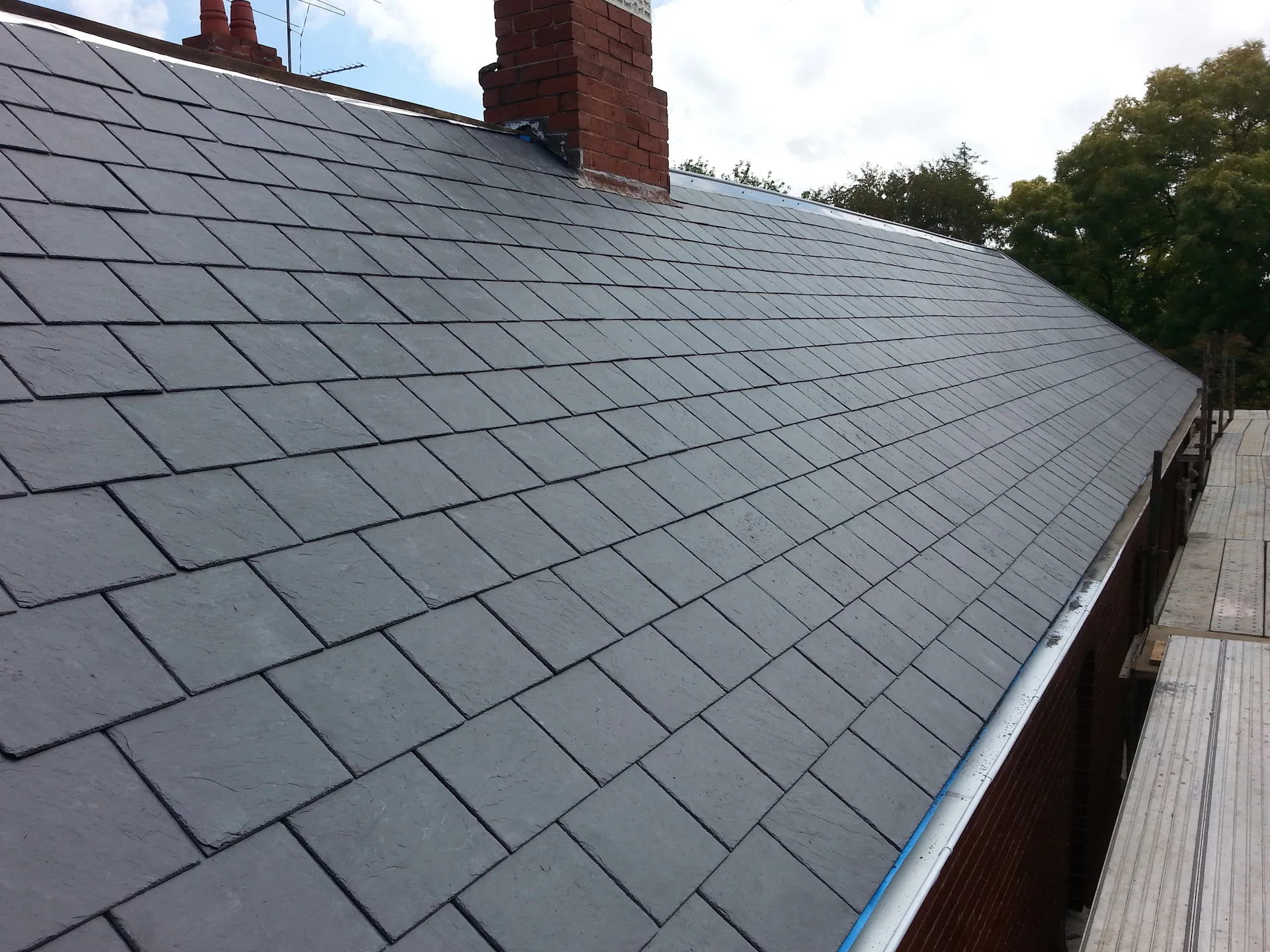
Natural and fibre-cement slates differ in appearance, weight, sourcing and detailing. Fixing specification, batten gauge, exposure and the ability to match an existing roof should guide the choice.
Maintaining slate and tiled pitched roofing
Use ground-level and internal checks, especially after severe weather or when the building has been unattended. Do not walk on the roof. Record changes over time so a roofer can distinguish a new defect from an old stain.
- Keep outlets and visible rainwater routes clear where this can be done safely
- Look for new staining, movement, cracks or displaced components
- Avoid pressure washing, uncontrolled scraping and coatings that could damage the system
- Arrange professional access when a close inspection is required
- Address small drainage and junction defects before prolonged water exposure affects the structure
Expected life is not an expiry date
Published lifespan figures are broad estimates, not guarantees. Installation quality, exposure, detailing, maintenance, movement and previous repairs can make two roofs of the same material perform very differently.
Match the defect to the weather mechanism
Wind can displace loose units and drive rain beneath marginal laps. Prolonged rainfall tests outlets and valleys. Temperature change moves metal, membranes and junctions. The inspection should identify which mechanism fits the evidence instead of describing weather as a catch-all cause.
- Windward edges, ridges and perimeter trims
- Outlets and overflow routes after sustained rain
- Lead and membrane movement points
- Debris collecting behind parapets or in valleys
- New marks after a specific weather event
What should be inspected?
- Slipped, cracked, delaminating or missing coverings
- Fixing fatigue and repeated movement across the slope
- Ridges, hips, valleys, verges and abutments
- Underlay, battens and visible timber condition
- Ventilation and insulation at eaves and high level
- Matching materials and any conservation constraints
Access can change the repair method
Terraced and converted properties can have different access at the front and rear. The quotation should say whether scaffold, a tower or another planned system is assumed, and how materials and waste will move without damaging occupied areas.
- Front and rear access considered separately
- Shared routes agreed before work
- Protection below the work included
- Parking and delivery assumptions recorded
Ask how the work will be carried out safely
Homeowners do not need to design the contractor’s method, but they can ask what access is assumed, how edges and fragile areas are controlled and who supervises the work. Vague assurances are not a substitute for competent planning. The HSE roof-work guidance explains the main requirements and hazards.
Questions to ask in the quotation
- Is failure localised or widespread?
- Can replacement materials be matched?
- What underlay, batten and ventilation work is included?
- How will valleys, chimneys and abutments be treated?
Related local service
For property-specific advice, see Slate and tile roof repairs. The service page explains inspection, access and quotation arrangements.
Frequently asked questions
Can a roofer diagnose this from photographs?
Photographs can help initial triage, but they rarely show concealed layers, the complete water path or substrate condition. A site inspection is normally needed before a firm permanent-repair scope.
How should guarantees be compared?
Compare the exact work covered, duration, exclusions, maintenance duties and who stands behind the guarantee. A guarantee cannot compensate for an unsuitable specification.
Should I obtain more than one quotation?
For substantial work, comparable written quotations can help. Make sure contractors price the same scope rather than comparing totals with different omissions.
Discuss your roof with a local roofer
For an inspection and written quotation in Bromley, call 020 3886 3911 or email yourbromleyroofers@gmail.com. Describe the property, the roof area and any visible leak or damage. Photographs taken safely from ground level or inside the loft can also help.