Bromley Roofing advice
Replacing a Polycarbonate Conservatory Roof with Tiles: Is It Worth It?
Replacing a Polycarbonate Conservatory Roof with Tiles: Is It Worth It. A practical homeowner’s guide to conservatory roof replacement, inspections and…
Replacing polycarbonate with a tiled or solid conservatory roof may improve comfort, but only when the existing frames and foundations can support the new system and insulation, ventilation, drainage and approvals are addressed. This guide explains the practical checks a Bromley property owner should make before requesting or approving work.
Quick answer
Replacing polycarbonate with a tiled or solid conservatory roof may improve comfort, but only when the existing frames and foundations can support the new system and insulation, ventilation, drainage and approvals are addressed.
tile in this decision
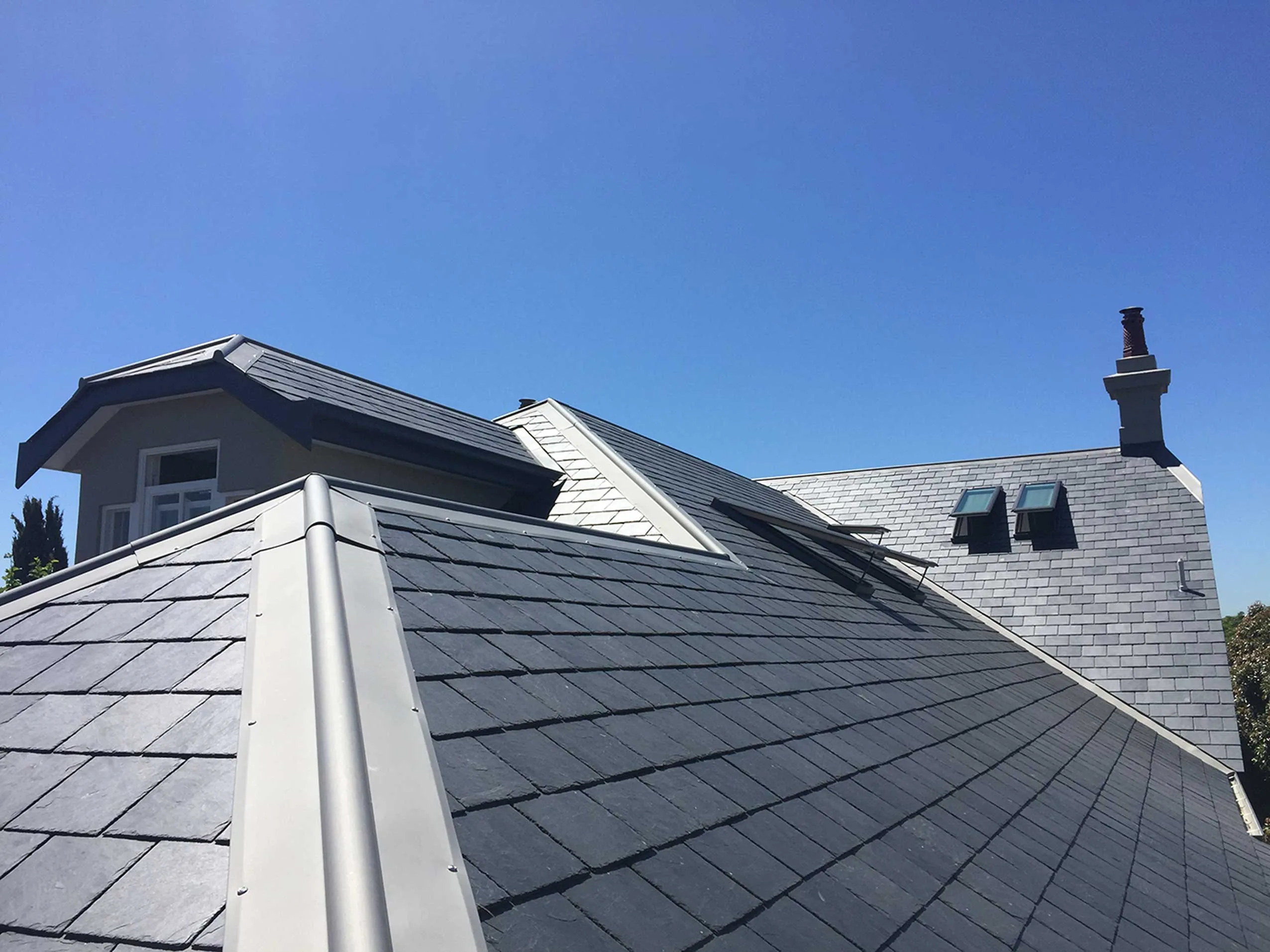
Clay and concrete tiles vary in weight, profile, minimum pitch and visual character. Structural suitability, compatible fittings and local appearance need to be checked before substitution.
Understanding conservatory roof replacement
Replacing a glazed or polycarbonate conservatory roof with a solid system is more than changing the outer covering. The existing structure, additional weight, insulation, ventilation, drainage and approvals all need to be considered together.
Turn general information into a property-specific decision
- Identify the existing material and complete roof build-up
- Record the symptom, its timing and any previous repairs
- Check drainage, junctions and adjoining components
- Consider access, occupied areas and safe working arrangements
- Ask for a written scope with assumptions and exclusions
The main decision this article should support
Clay and concrete tiles vary in weight, profile, minimum pitch and visual character. Structural suitability, compatible fittings and local appearance need to be checked before substitution.
- Roof pitch, spans and structural calculations
- Insulation continuity and condensation control
- Eaves, abutments, flashings and rainwater drainage
- Who confirms structural suitability?
- What insulation and ventilation build-up is specified?
What should be inspected?
- Whether the existing frames and foundations can support the proposed system
- Roof pitch, spans and structural calculations
- Insulation continuity and condensation control
- Eaves, abutments, flashings and rainwater drainage
- Planning and building-control requirements
- Internal ceiling, electrics and making-good responsibilities
Plan around an occupied property
Roof work above homes and businesses needs a clear plan for noise, temporary weathering, entrances, gardens and internal protection. Agree who moves vulnerable belongings and how an unexpected opening will be made safe at the end of the day.
- Daily weathering responsibility clear
- Occupied rooms protected below
- Working hours and contact agreed
- Completion and waste checks recorded
Plan access before the repair
A short task is still roof work. Safe access, edge protection and the condition of the surface should be decided before anyone climbs. Ladders are not a substitute for a planned working position, and gutters must not be used as supports. The HSE roof-work guidance explains the main requirements and hazards.
Questions to ask in the quotation
- Who confirms structural suitability?
- What insulation and ventilation build-up is specified?
- Are approvals and drawings included?
- How will junctions with the house be weatherproofed?
Related local service
For property-specific advice, see New roofs and re-roofing. The service page explains inspection, access and quotation arrangements.
Frequently asked questions
When is a local repair sensible?
A repair is easier to justify when the defect is isolated and surrounding material is sound. Repeated failure, widespread deterioration or damaged support layers can change that decision.
Can old slates, tiles or fittings be reused?
Sound material may sometimes be retained or reused, but condition, matching, breakage allowance and any planning constraints should be assessed before promising a quantity.
How soon should a small defect be inspected?
Prompt inspection is sensible when water is entering, materials are loose or the problem is changing. Safety risks, wet electrics and bulging ceilings need immediate precautions.
Discuss your roof with a local roofer
For an inspection and written quotation in Bromley, call 020 3886 3911 or email yourbromleyroofers@gmail.com. Describe the property, the roof area and any visible leak or damage. Photographs taken safely from ground level or inside the loft can also help.