Bromley Roofing advice
What Affects Tiled Roof Installation and Repair Costs?
What Affects Tiled Roof Installation and Repair Costs. Understand the factors that shape a proper quotation without relying on invented headline prices.
A pitched roof is a system of covering, fixings, battens, underlay, flashings, ventilation and drainage. Replacing isolated slates or tiles can be sensible when those adjoining components remain serviceable. This guide explains the practical checks a Bromley property owner should make before requesting or approving work.
Quick answer
A pitched roof is a system of covering, fixings, battens, underlay, flashings, ventilation and drainage. Replacing isolated slates or tiles can be sensible when those adjoining components remain serviceable.
tile in this decision
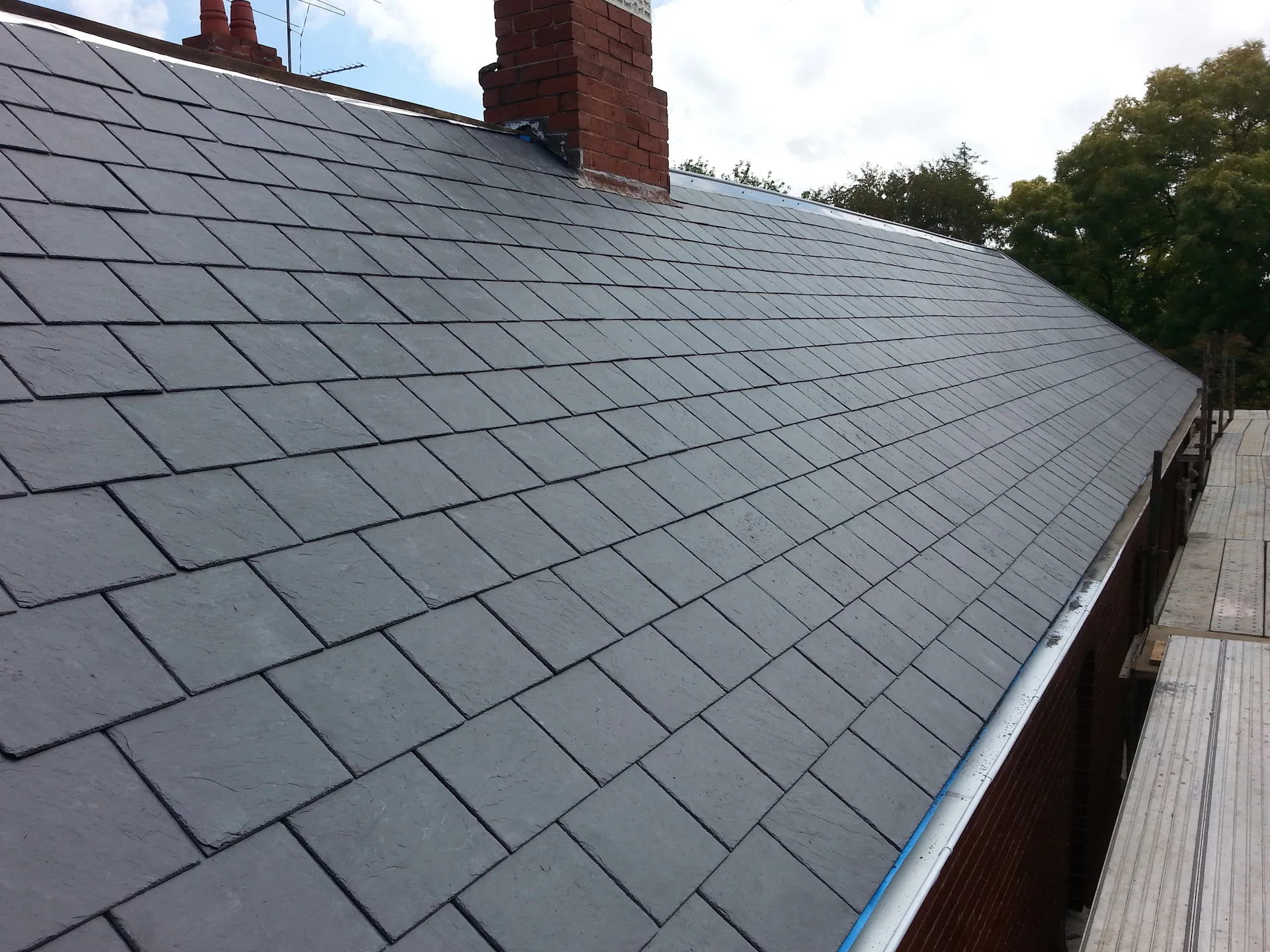
Clay and concrete tiles vary in weight, profile, minimum pitch and visual character. Structural suitability, compatible fittings and local appearance need to be checked before substitution.
What determines the price?
A responsible guide should not publish a single headline figure without inspecting the roof. Labour and material quantities are only part of the total. Access and the condition discovered beneath the covering can change the scope substantially.
- Roof size, pitch, height and safe access method
- Whether scaffolding, a tower or specialist access is required
- Extent of stripping, deck or timber repair
- Material specification and matching requirements
- Flashings, outlets, insulation and ventilation details
- Waste removal, parking, permits and protection of occupied areas
- VAT status, exclusions and contingency allowances
How to compare quotations
Ask each contractor to price the same scope. Check whether preparation, access, edge details, disposal and making good are included. A cheaper quotation may simply omit work that appears later as an extra.
Build a price from a defined scope
The useful question is not “What does a roof cost?” but “What complete work does this roof require?” Separate fixed items from provisional allowances. That makes it easier to understand how the price could change after coverings are opened.
- Measured work and material specification
- Fixed access and protection costs
- Provisional quantities for concealed repairs
- Optional upgrades shown separately
- Variation process agreed before additional work proceeds
What should be inspected?
- Slipped, cracked, delaminating or missing coverings
- Fixing fatigue and repeated movement across the slope
- Ridges, hips, valleys, verges and abutments
- Underlay, battens and visible timber condition
- Ventilation and insulation at eaves and high level
- Matching materials and any conservation constraints
Check property controls before visible changes
Conservation status, listing, leases, freeholder requirements or shared ownership can affect who approves work and which visible materials are acceptable. These questions are separate from deciding whether the roof is technically defective.
- Planning status checked where relevant
- Lease or freeholder consent considered
- Matching visible material discussed
- Written approvals retained with the roof records
Weather can stop otherwise simple work
Wind, lightning, ice and heavy rain can make access or uncovered roofs unsafe. A realistic contractor will postpone work or use temporary measures when conditions do not support the agreed safe system. The HSE roof-work guidance explains the main requirements and hazards.
Questions to ask in the quotation
- Is failure localised or widespread?
- Can replacement materials be matched?
- What underlay, batten and ventilation work is included?
- How will valleys, chimneys and abutments be treated?
Related local service
For property-specific advice, see Slate and tile roof repairs. The service page explains inspection, access and quotation arrangements.
Frequently asked questions
Can work continue in bad weather?
That depends on the task and safe system. High winds, lightning, ice or heavy rain can prevent access and may make opening the roof inappropriate.
What information should I give the roofer?
Provide the property location, roof type if known, when the symptom occurs, safe photographs, access constraints and details of previous related repairs.
Does every roofing job require scaffolding?
No single access method fits every property. Height, duration, roof geometry, public areas and the task determine what safe access and edge protection are required.
Discuss your roof with a local roofer
For an inspection and written quotation in Bromley, call 020 3886 3911 or email yourbromleyroofers@gmail.com. Describe the property, the roof area and any visible leak or damage. Photographs taken safely from ground level or inside the loft can also help.