Bromley Roofing advice
Choosing a Roof Tile Design That Complements Your Home
Choosing a Roof Tile Design That Complements Your Home. A practical homeowner’s guide to slate and tiled pitched roofing, inspections and written roofing…
A pitched roof is a system of covering, fixings, battens, underlay, flashings, ventilation and drainage. Replacing isolated slates or tiles can be sensible when those adjoining components remain serviceable. This guide explains the practical checks a Bromley property owner should make before requesting or approving work.
Quick answer
A pitched roof is a system of covering, fixings, battens, underlay, flashings, ventilation and drainage. Replacing isolated slates or tiles can be sensible when those adjoining components remain serviceable.
tile in this decision
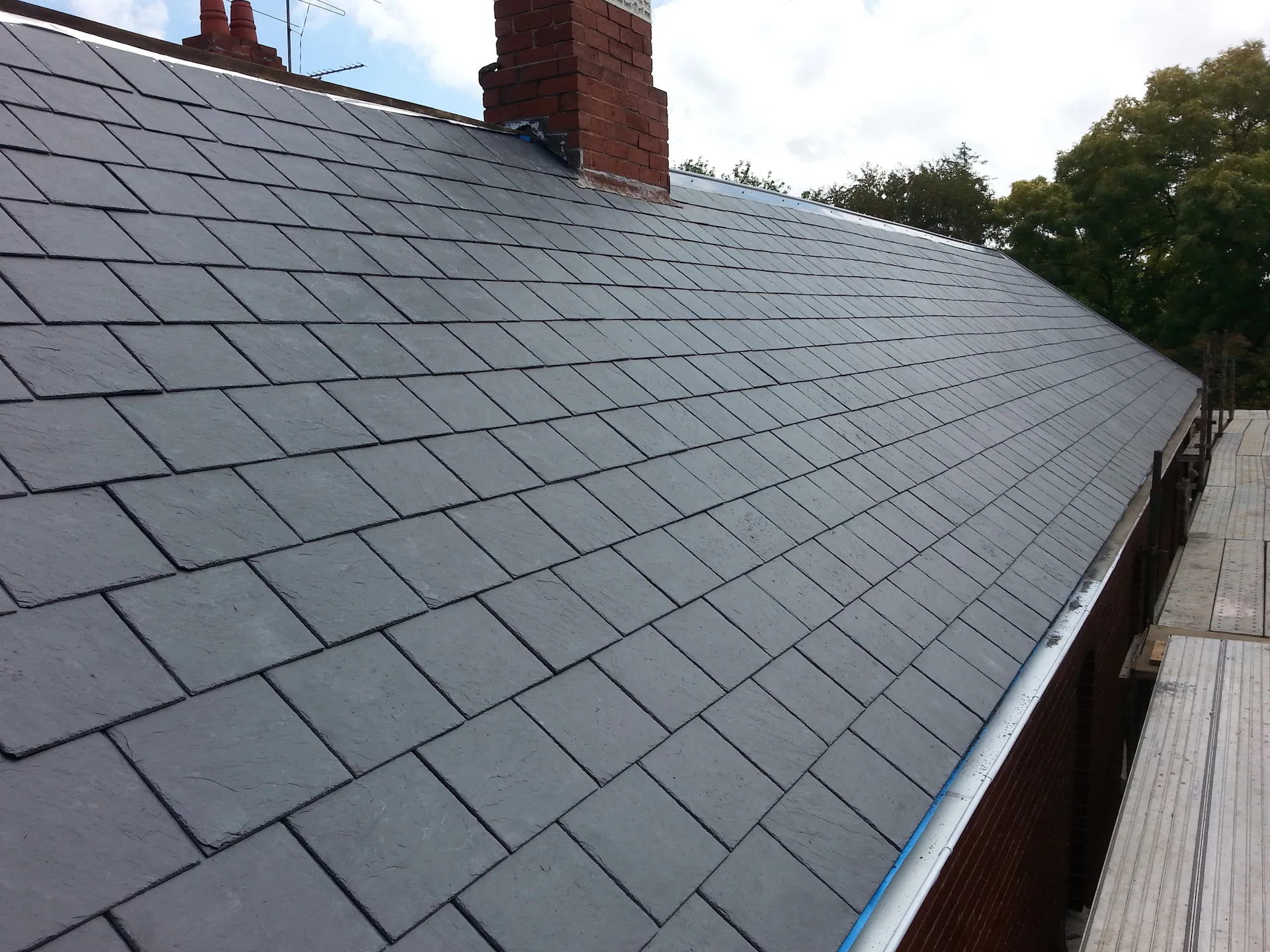
Clay and concrete tiles vary in weight, profile, minimum pitch and visual character. Structural suitability, compatible fittings and local appearance need to be checked before substitution.
Understanding slate and tiled pitched roofing
A pitched roof is a system of covering, fixings, battens, underlay, flashings, ventilation and drainage. Replacing isolated slates or tiles can be sensible when those adjoining components remain serviceable.
Turn general information into a property-specific decision
- Identify the existing material and complete roof build-up
- Record the symptom, its timing and any previous repairs
- Check drainage, junctions and adjoining components
- Consider access, occupied areas and safe working arrangements
- Ask for a written scope with assumptions and exclusions
The main decision this article should support
Clay and concrete tiles vary in weight, profile, minimum pitch and visual character. Structural suitability, compatible fittings and local appearance need to be checked before substitution.
- Fixing fatigue and repeated movement across the slope
- Ridges, hips, valleys, verges and abutments
- Underlay, battens and visible timber condition
- Is failure localised or widespread?
- Can replacement materials be matched?
What should be inspected?
- Slipped, cracked, delaminating or missing coverings
- Fixing fatigue and repeated movement across the slope
- Ridges, hips, valleys, verges and abutments
- Underlay, battens and visible timber condition
- Ventilation and insulation at eaves and high level
- Matching materials and any conservation constraints
Access can change the repair method
Terraced and converted properties can have different access at the front and rear. The quotation should say whether scaffold, a tower or another planned system is assumed, and how materials and waste will move without damaging occupied areas.
- Front and rear access considered separately
- Shared routes agreed before work
- Protection below the work included
- Parking and delivery assumptions recorded
Weather can stop otherwise simple work
Wind, lightning, ice and heavy rain can make access or uncovered roofs unsafe. A realistic contractor will postpone work or use temporary measures when conditions do not support the agreed safe system. The HSE roof-work guidance explains the main requirements and hazards.
Questions to ask in the quotation
- Is failure localised or widespread?
- Can replacement materials be matched?
- What underlay, batten and ventilation work is included?
- How will valleys, chimneys and abutments be treated?
Related local service
For property-specific advice, see Slate and tile roof repairs. The service page explains inspection, access and quotation arrangements.
Frequently asked questions
Can work continue in bad weather?
That depends on the task and safe system. High winds, lightning, ice or heavy rain can prevent access and may make opening the roof inappropriate.
What information should I give the roofer?
Provide the property location, roof type if known, when the symptom occurs, safe photographs, access constraints and details of previous related repairs.
Does every roofing job require scaffolding?
No single access method fits every property. Height, duration, roof geometry, public areas and the task determine what safe access and edge protection are required.
Discuss your roof with a local roofer
For an inspection and written quotation in Bromley, call 020 3886 3911 or email yourbromleyroofers@gmail.com. Describe the property, the roof area and any visible leak or damage. Photographs taken safely from ground level or inside the loft can also help.