Bromley Roofing advice
How to Maintain Your Tiled Roof and Prevent Common Issues
How to Maintain Your Tiled Roof and Prevent Common Issues. Learn what to monitor, what affects service life and when professional inspection is sensible.
A pitched roof is a system of covering, fixings, battens, underlay, flashings, ventilation and drainage. Replacing isolated slates or tiles can be sensible when those adjoining components remain serviceable. This guide explains the practical checks a Bromley property owner should make before requesting or approving work.
Quick answer
A pitched roof is a system of covering, fixings, battens, underlay, flashings, ventilation and drainage. Replacing isolated slates or tiles can be sensible when those adjoining components remain serviceable.
tile in this decision
Clay and concrete tiles vary in weight, profile, minimum pitch and visual character. Structural suitability, compatible fittings and local appearance need to be checked before substitution.
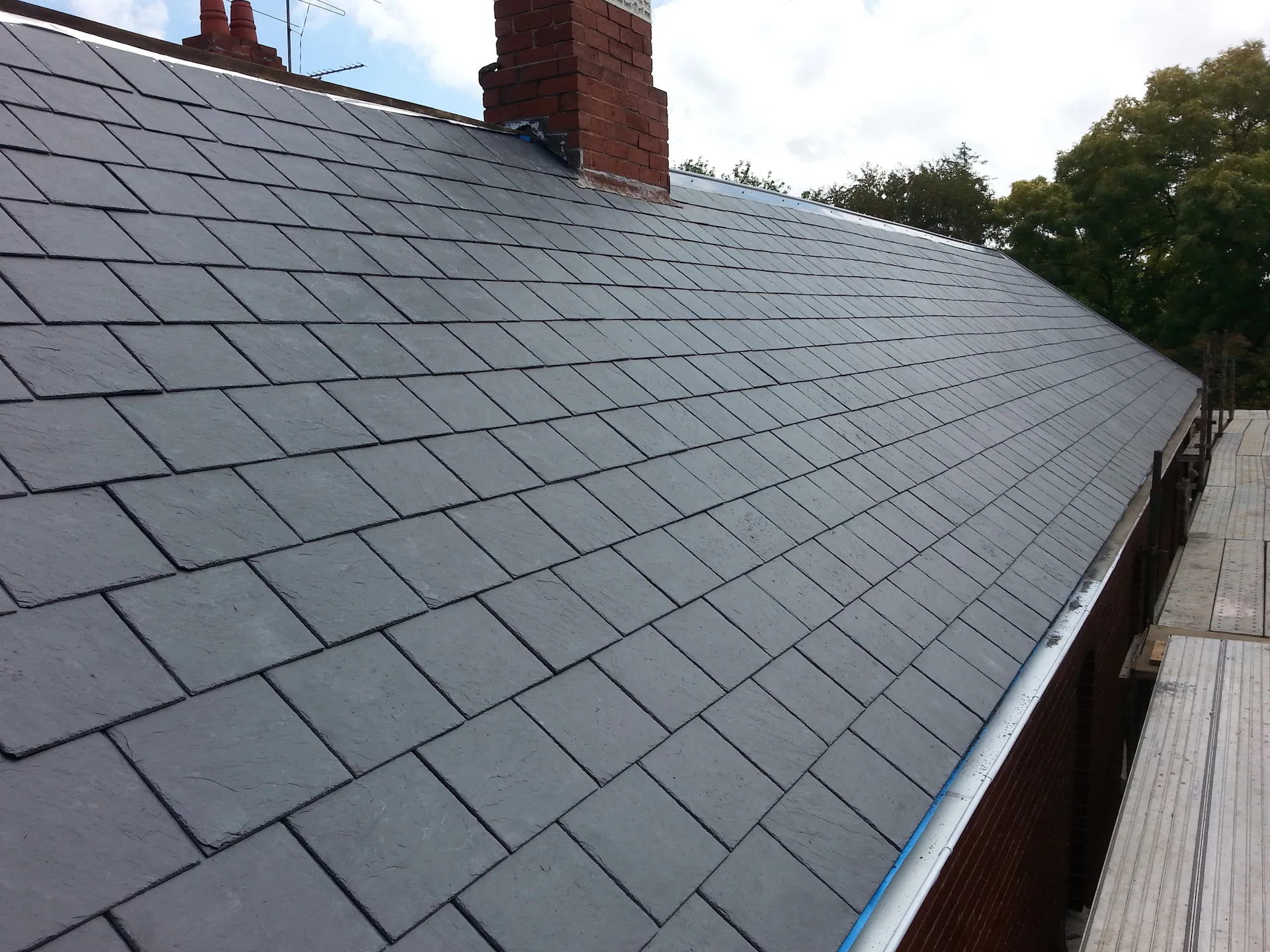
Maintaining slate and tiled pitched roofing
Use ground-level and internal checks, especially after severe weather or when the building has been unattended. Do not walk on the roof. Record changes over time so a roofer can distinguish a new defect from an old stain.
- Keep outlets and visible rainwater routes clear where this can be done safely
- Look for new staining, movement, cracks or displaced components
- Avoid pressure washing, uncontrolled scraping and coatings that could damage the system
- Arrange professional access when a close inspection is required
- Address small drainage and junction defects before prolonged water exposure affects the structure
Expected life is not an expiry date
Published lifespan figures are broad estimates, not guarantees. Installation quality, exposure, detailing, maintenance, movement and previous repairs can make two roofs of the same material perform very differently.
Use a condition-led maintenance record
For slate and tiled pitched roofing, a short dated record is more useful than an arbitrary checklist. Photograph safely visible details, note blocked drainage or movement and record professional repairs. The next inspection can then focus on change instead of treating every old mark as active.
- Date, weather and location of each observation
- Ground-level and internal photographs only
- Drainage clearance and repair invoices retained
- Manufacturer care information kept with property records
- Prompt review after severe weather or a new leak
What should be inspected?
- Slipped, cracked, delaminating or missing coverings
- Fixing fatigue and repeated movement across the slope
- Ridges, hips, valleys, verges and abutments
- Underlay, battens and visible timber condition
- Ventilation and insulation at eaves and high level
- Matching materials and any conservation constraints
Plan around an occupied property
Roof work above homes and businesses needs a clear plan for noise, temporary weathering, entrances, gardens and internal protection. Agree who moves vulnerable belongings and how an unexpected opening will be made safe at the end of the day.
- Daily weathering responsibility clear
- Occupied rooms protected below
- Working hours and contact agreed
- Completion and waste checks recorded
Protect people and property below
Roof safety includes falling materials as well as falls from height. Agree exclusion areas, scaffold protection, secured materials and how entrances or neighbouring spaces will be managed while work is overhead. The HSE roof-work guidance explains the main requirements and hazards.
Questions to ask in the quotation
- Is failure localised or widespread?
- Can replacement materials be matched?
- What underlay, batten and ventilation work is included?
- How will valleys, chimneys and abutments be treated?
Related local service
For property-specific advice, see Slate and tile roof repairs. The service page explains inspection, access and quotation arrangements.
Frequently asked questions
Can old slates, tiles or fittings be reused?
Sound material may sometimes be retained or reused, but condition, matching, breakage allowance and any planning constraints should be assessed before promising a quantity.
How soon should a small defect be inspected?
Prompt inspection is sensible when water is entering, materials are loose or the problem is changing. Safety risks, wet electrics and bulging ceilings need immediate precautions.
Can work continue in bad weather?
That depends on the task and safe system. High winds, lightning, ice or heavy rain can prevent access and may make opening the roof inappropriate.
Discuss your roof with a local roofer
For an inspection and written quotation in Bromley, call 020 3886 3911 or email yourbromleyroofers@gmail.com. Describe the property, the roof area and any visible leak or damage. Photographs taken safely from ground level or inside the loft can also help.