Bromley Roofing advice
Natural vs. Synthetic Slate Roofing: Which Is Best?
Natural vs. Synthetic Slate Roofing: Which Is Best. Compare materials by roof suitability, detailing, maintenance and whole-system scope.
A pitched roof is a system of covering, fixings, battens, underlay, flashings, ventilation and drainage. Replacing isolated slates or tiles can be sensible when those adjoining components remain serviceable. This guide explains the practical checks a Bromley property owner should make before requesting or approving work.
Quick answer
A pitched roof is a system of covering, fixings, battens, underlay, flashings, ventilation and drainage. Replacing isolated slates or tiles can be sensible when those adjoining components remain serviceable.
slate in this decision
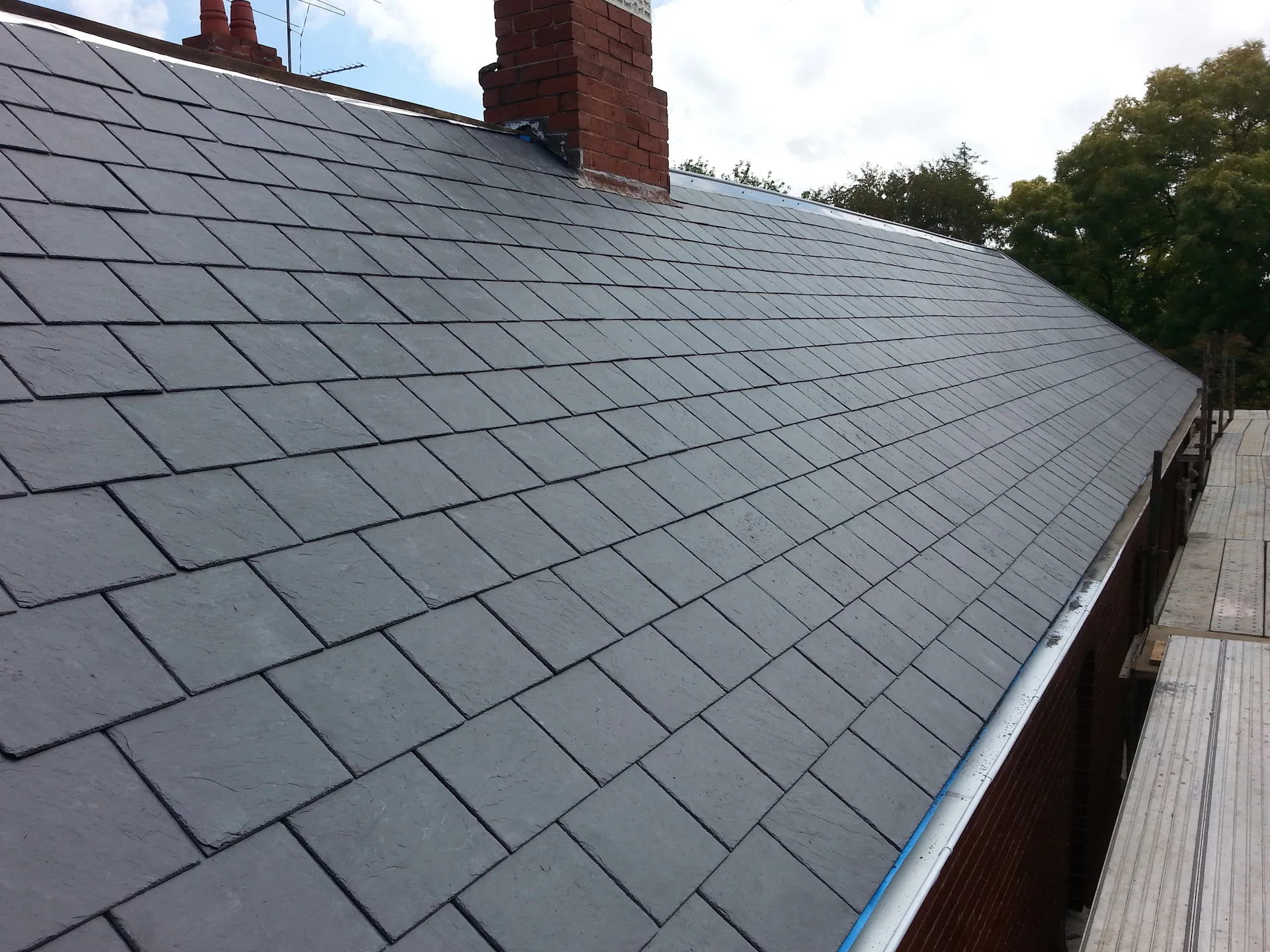
Natural and fibre-cement slates differ in appearance, weight, sourcing and detailing. Fixing specification, batten gauge, exposure and the ability to match an existing roof should guide the choice.
A practical comparison
slate
Natural and fibre-cement slates differ in appearance, weight, sourcing and detailing. Fixing specification, batten gauge, exposure and the ability to match an existing roof should guide the choice.
- Traditional appearance and individual units
- Repairable when matching material is available
- Fixings, weight and conservation context matter
Clay or concrete tiles
Clay and concrete tiles vary in weight, profile, minimum pitch and visual character. Structural suitability, compatible fittings and local appearance need to be checked before substitution.
- Wide choice of profiles and finishes
- Compatible pitch, fittings and weight must be checked
- Individual damaged units may be replaceable
How to choose between them
Compare suitability for the actual roof rather than selecting from a generic ranking. Pitch, deck, weight, drainage, visible character, access, detailing and the installer’s relevant experience should drive the choice.
Challenge the idea of a universally “best” roof
No material is automatically perfect for every slate and tiled pitched roofing project. A recommendation should rule unsuitable options out first, then compare the remaining choices against structure, geometry, drainage, appearance, access and planned use.
- Minimum and actual pitch checked
- Weight and substrate compatibility confirmed
- Critical details shown, not assumed
- Installation conditions and competence considered
- Trade-offs explained in the written proposal
What should be inspected?
- Slipped, cracked, delaminating or missing coverings
- Fixing fatigue and repeated movement across the slope
- Ridges, hips, valleys, verges and abutments
- Underlay, battens and visible timber condition
- Ventilation and insulation at eaves and high level
- Matching materials and any conservation constraints
Plan around an occupied property
Roof work above homes and businesses needs a clear plan for noise, temporary weathering, entrances, gardens and internal protection. Agree who moves vulnerable belongings and how an unexpected opening will be made safe at the end of the day.
- Daily weathering responsibility clear
- Occupied rooms protected below
- Working hours and contact agreed
- Completion and waste checks recorded
Plan access before the repair
A short task is still roof work. Safe access, edge protection and the condition of the surface should be decided before anyone climbs. Ladders are not a substitute for a planned working position, and gutters must not be used as supports. The HSE roof-work guidance explains the main requirements and hazards.
Questions to ask in the quotation
- Is failure localised or widespread?
- Can replacement materials be matched?
- What underlay, batten and ventilation work is included?
- How will valleys, chimneys and abutments be treated?
Related local service
For property-specific advice, see Slate and tile roof repairs. The service page explains inspection, access and quotation arrangements.
Frequently asked questions
What information should I give the roofer?
Provide the property location, roof type if known, when the symptom occurs, safe photographs, access constraints and details of previous related repairs.
Does every roofing job require scaffolding?
No single access method fits every property. Height, duration, roof geometry, public areas and the task determine what safe access and edge protection are required.
Will a roofing quote replace a building survey?
No. A roofing quotation addresses a proposed work scope. Structural advice, valuation, asbestos surveying and a full building survey are separate professional services.
Discuss your roof with a local roofer
For an inspection and written quotation in Bromley, call 020 3886 3911 or email yourbromleyroofers@gmail.com. Describe the property, the roof area and any visible leak or damage. Photographs taken safely from ground level or inside the loft can also help.