Bromley Roofing advice
Should You Get Roof Moss Removal? The Pros and Cons for UK Homeowners
Should You Get Roof Moss Removal? The Pros and Cons for UK Homeowners. Assess benefits and drawbacks against the actual roof rather than generic product…
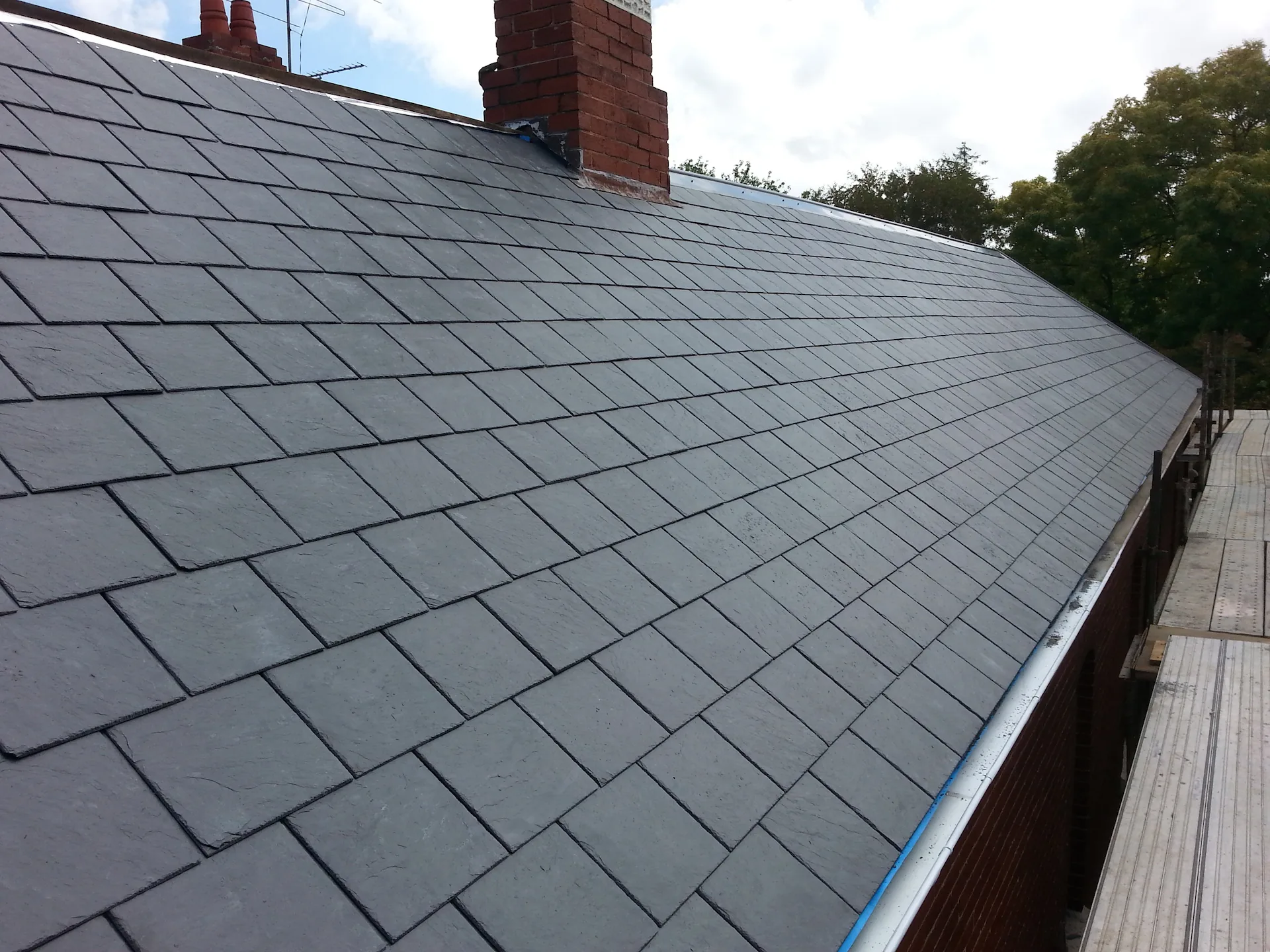
Moss removal is not automatically necessary and aggressive pressure washing can damage coverings or force water beneath them. Inspect the roof first and use a safe, covering-compatible method only where growth is obstructing drainage or contributing to a defined problem. This guide explains the practical checks a Bromley property owner should make before requesting or approving work.
Quick answer
Moss removal is not automatically necessary and aggressive pressure washing can damage coverings or force water beneath them. Inspect the roof first and use a safe, covering-compatible method only where growth is obstructing drainage or contributing to a defined problem.
Benefits only matter when the roof is suitable
Product advantages are conditional. A durable material can still fail early on an unsuitable pitch, moving deck, poorly drained area or weak junction. Ask the contractor to connect every claimed benefit to the property and specification.
- Suitability for pitch, structure and exposure
- Repairability and access for future maintenance
- Appearance beside neighbouring roofs and period details
- Whole-system cost rather than covering price alone
- Installer experience with the proposed system
- Written scope, manufacturer requirements and guarantee terms
Potential drawbacks to discuss
Weight, movement, vulnerable details, visual change, specialist installation, weather during application and future access can all affect the decision. A balanced quotation should explain these limitations rather than presenting one material as universally best.
The main decision this article should support
Moss does not automatically mean a roof needs aggressive cleaning. First check the covering condition, drainage and whether removal can be completed without breaking units, forcing water beneath laps or creating an unsafe work-at-height risk.
- Any cracked, loose or delaminating units
- Safe collection method that keeps debris out of drainage
- Whether a proposed biocide is suitable and lawfully used
- Why is removal recommended?
- How will fragile coverings and roof edges be protected?
What should be inspected?
- Extent of growth and whether gutters or outlets are obstructed
- Condition and brittleness of tiles or slates below the growth
- Any cracked, loose or delaminating units
- Safe collection method that keeps debris out of drainage
- Whether a proposed biocide is suitable and lawfully used
- Need for repair before any cleaning
Plan around an occupied property
Roof work above homes and businesses needs a clear plan for noise, temporary weathering, entrances, gardens and internal protection. Agree who moves vulnerable belongings and how an unexpected opening will be made safe at the end of the day.
- Daily weathering responsibility clear
- Occupied rooms protected below
- Working hours and contact agreed
- Completion and waste checks recorded
Weather can stop otherwise simple work
Wind, lightning, ice and heavy rain can make access or uncovered roofs unsafe. A realistic contractor will postpone work or use temporary measures when conditions do not support the agreed safe system. The HSE roof-work guidance explains the main requirements and hazards.
Questions to ask in the quotation
- Why is removal recommended?
- How will fragile coverings and roof edges be protected?
- How will debris and runoff be controlled?
- Which repairs should be completed first?
Related local service
For property-specific advice, see Roof inspections and leak detection. The service page explains inspection, access and quotation arrangements.
Frequently asked questions
When is a local repair sensible?
A repair is easier to justify when the defect is isolated and surrounding material is sound. Repeated failure, widespread deterioration or damaged support layers can change that decision.
Can old slates, tiles or fittings be reused?
Sound material may sometimes be retained or reused, but condition, matching, breakage allowance and any planning constraints should be assessed before promising a quantity.
How soon should a small defect be inspected?
Prompt inspection is sensible when water is entering, materials are loose or the problem is changing. Safety risks, wet electrics and bulging ceilings need immediate precautions.
Discuss your roof with a local roofer
For an inspection and written quotation in Bromley, call 020 3886 3911 or email yourbromleyroofers@gmail.com. Describe the property, the roof area and any visible leak or damage. Photographs taken safely from ground level or inside the loft can also help.