Bromley Roofing advice
Signs Your Tiled Roof Needs Repair or Replacement
Signs Your Tiled Roof Needs Repair or Replacement. Understand likely causes, inspection priorities and when repair or replacement may be appropriate.
A pitched roof is a system of covering, fixings, battens, underlay, flashings, ventilation and drainage. Replacing isolated slates or tiles can be sensible when those adjoining components remain serviceable. This guide explains the practical checks a Bromley property owner should make before requesting or approving work.
Quick answer
A pitched roof is a system of covering, fixings, battens, underlay, flashings, ventilation and drainage. Replacing isolated slates or tiles can be sensible when those adjoining components remain serviceable.
tile in this decision
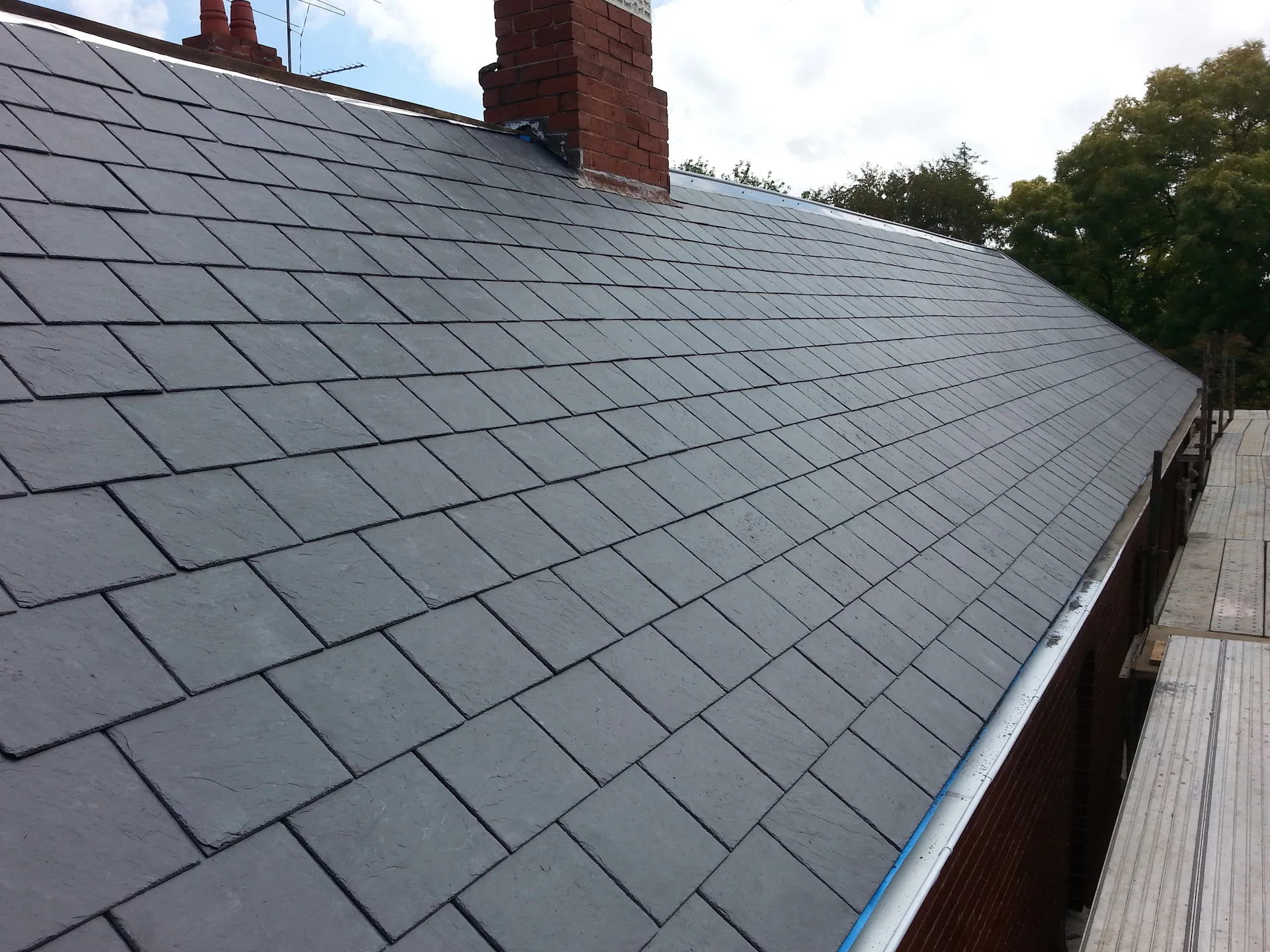
Clay and concrete tiles vary in weight, profile, minimum pitch and visual character. Structural suitability, compatible fittings and local appearance need to be checked before substitution.
From symptom to repair scope
Start with when the problem occurs: during wind-driven rain, after prolonged rainfall, at an outlet overflow or in cold weather. That pattern helps identify whether the cause is a covering defect, junction, drainage problem or condensation.
- Record the affected room and weather conditions
- Photograph safe internal evidence and any ground-visible defect
- Inspect the complete detail around the likely source
- Agree whether opening-up is necessary and how uncertainty is handled
- Specify the permanent repair and any temporary weatherproofing separately
Repair or replace?
Local repair is usually worth considering when the surrounding material and support remain sound. Replacement becomes more credible when defects are widespread, the deck or structure is affected, matching repairs keep failing or access costs make repeated visits uneconomic.
Separate an observation from a diagnosis
A ceiling mark, displaced tile or cracked surface is evidence, but not always the complete cause. Note when it changes, which weather direction triggers it and whether an outlet or roof junction sits above. Those details help the inspection test a likely water route.
- Monitor change rather than repeatedly painting over it
- Photograph from the same safe position for comparison
- Check accessible loft areas without touching electrics or fragile materials
- Treat loose masonry and bulging ceilings as safety issues
- Ask the roofer to explain the link between symptom and proposed work
What should be inspected?
- Slipped, cracked, delaminating or missing coverings
- Fixing fatigue and repeated movement across the slope
- Ridges, hips, valleys, verges and abutments
- Underlay, battens and visible timber condition
- Ventilation and insulation at eaves and high level
- Matching materials and any conservation constraints
Plan for conditions found in Bromley and nearby areas
Relevant exposure includes driving rain, wind around roof edges, leaf and urban debris in outlets, and temperature movement at metal or membrane details. Inspection and maintenance should respond to the actual property rather than generic weather claims.
- Windward details checked after storms
- Outlets monitored through wet periods
- Debris traps included in maintenance
- Movement allowed for at rigid junctions
Plan access before the repair
A short task is still roof work. Safe access, edge protection and the condition of the surface should be decided before anyone climbs. Ladders are not a substitute for a planned working position, and gutters must not be used as supports. The HSE roof-work guidance explains the main requirements and hazards.
Questions to ask in the quotation
- Is failure localised or widespread?
- Can replacement materials be matched?
- What underlay, batten and ventilation work is included?
- How will valleys, chimneys and abutments be treated?
Related local service
For property-specific advice, see Slate and tile roof repairs. The service page explains inspection, access and quotation arrangements.
Frequently asked questions
How soon should a small defect be inspected?
Prompt inspection is sensible when water is entering, materials are loose or the problem is changing. Safety risks, wet electrics and bulging ceilings need immediate precautions.
Can work continue in bad weather?
That depends on the task and safe system. High winds, lightning, ice or heavy rain can prevent access and may make opening the roof inappropriate.
What information should I give the roofer?
Provide the property location, roof type if known, when the symptom occurs, safe photographs, access constraints and details of previous related repairs.
Discuss your roof with a local roofer
For an inspection and written quotation in Bromley, call 020 3886 3911 or email yourbromleyroofers@gmail.com. Describe the property, the roof area and any visible leak or damage. Photographs taken safely from ground level or inside the loft can also help.