Bromley Roofing advice
Slate Roof Repairs: When to DIY and When to Call a Professional
Slate Roof Repairs: When to DIY and When to Call a Professional. Understand likely causes, inspection priorities and when repair or replacement may be…
A pitched roof is a system of covering, fixings, battens, underlay, flashings, ventilation and drainage. Replacing isolated slates or tiles can be sensible when those adjoining components remain serviceable. This guide explains the practical checks a Bromley property owner should make before requesting or approving work.
Quick answer
A pitched roof is a system of covering, fixings, battens, underlay, flashings, ventilation and drainage. Replacing isolated slates or tiles can be sensible when those adjoining components remain serviceable.
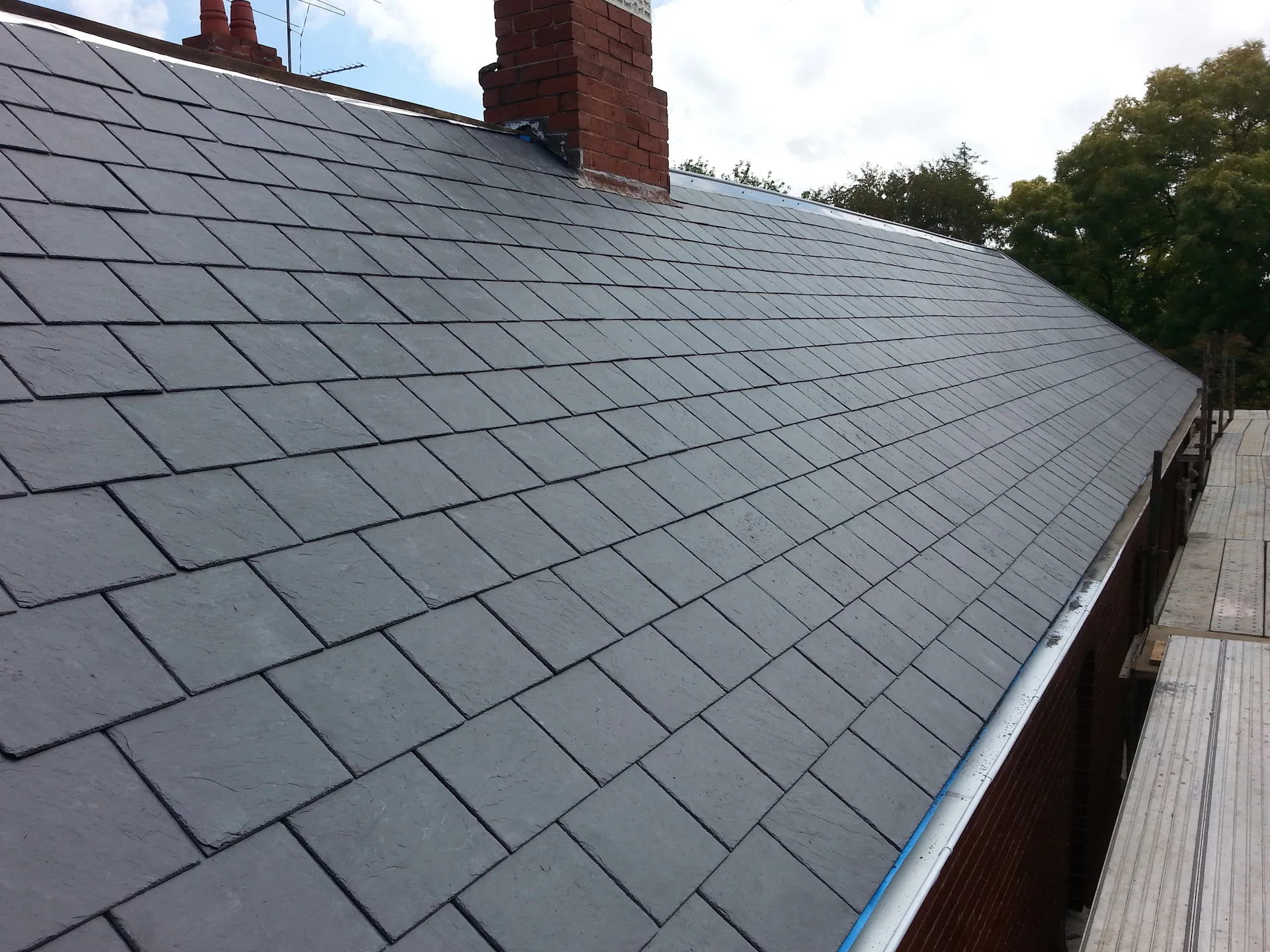
slate in this decision
Natural and fibre-cement slates differ in appearance, weight, sourcing and detailing. Fixing specification, batten gauge, exposure and the ability to match an existing roof should guide the choice.
From symptom to repair scope
Start with when the problem occurs: during wind-driven rain, after prolonged rainfall, at an outlet overflow or in cold weather. That pattern helps identify whether the cause is a covering defect, junction, drainage problem or condensation.
- Record the affected room and weather conditions
- Photograph safe internal evidence and any ground-visible defect
- Inspect the complete detail around the likely source
- Agree whether opening-up is necessary and how uncertainty is handled
- Specify the permanent repair and any temporary weatherproofing separately
Repair or replace?
Local repair is usually worth considering when the surrounding material and support remain sound. Replacement becomes more credible when defects are widespread, the deck or structure is affected, matching repairs keep failing or access costs make repeated visits uneconomic.
The main decision this article should support
Natural and fibre-cement slates differ in appearance, weight, sourcing and detailing. Fixing specification, batten gauge, exposure and the ability to match an existing roof should guide the choice.
- Slipped, cracked, delaminating or missing coverings
- Fixing fatigue and repeated movement across the slope
- Ridges, hips, valleys, verges and abutments
- Is failure localised or widespread?
- Can replacement materials be matched?
What should be inspected?
- Slipped, cracked, delaminating or missing coverings
- Fixing fatigue and repeated movement across the slope
- Ridges, hips, valleys, verges and abutments
- Underlay, battens and visible timber condition
- Ventilation and insulation at eaves and high level
- Matching materials and any conservation constraints
Check property controls before visible changes
Conservation status, listing, leases, freeholder requirements or shared ownership can affect who approves work and which visible materials are acceptable. These questions are separate from deciding whether the roof is technically defective.
- Planning status checked where relevant
- Lease or freeholder consent considered
- Matching visible material discussed
- Written approvals retained with the roof records
Assume sheeted roofs and rooflights are fragile
Old sheets, corroded material and rooflights can fail without warning. Do not test them by standing on them. A competent contractor should identify fragile areas and plan platforms, protection and access that avoid loading them. The HSE roof-work guidance explains the main requirements and hazards.
Questions to ask in the quotation
- Is failure localised or widespread?
- Can replacement materials be matched?
- What underlay, batten and ventilation work is included?
- How will valleys, chimneys and abutments be treated?
Related local service
For property-specific advice, see Slate and tile roof repairs. The service page explains inspection, access and quotation arrangements.
Frequently asked questions
Will a roofing quote replace a building survey?
No. A roofing quotation addresses a proposed work scope. Structural advice, valuation, asbestos surveying and a full building survey are separate professional services.
Can a roofer diagnose this from photographs?
Photographs can help initial triage, but they rarely show concealed layers, the complete water path or substrate condition. A site inspection is normally needed before a firm permanent-repair scope.
How should guarantees be compared?
Compare the exact work covered, duration, exclusions, maintenance duties and who stands behind the guarantee. A guarantee cannot compensate for an unsuitable specification.
Discuss your roof with a local roofer
For an inspection and written quotation in Bromley, call 020 3886 3911 or email yourbromleyroofers@gmail.com. Describe the property, the roof area and any visible leak or damage. Photographs taken safely from ground level or inside the loft can also help.