Bromley Roofing advice
What Affects the Cost of Slate Roofing?
What Affects the Cost of Slate Roofing. Understand the factors that shape a proper quotation without relying on invented headline prices.
A pitched roof is a system of covering, fixings, battens, underlay, flashings, ventilation and drainage. Replacing isolated slates or tiles can be sensible when those adjoining components remain serviceable. This guide explains the practical checks a Bromley property owner should make before requesting or approving work.
Quick answer
A pitched roof is a system of covering, fixings, battens, underlay, flashings, ventilation and drainage. Replacing isolated slates or tiles can be sensible when those adjoining components remain serviceable.
slate in this decision
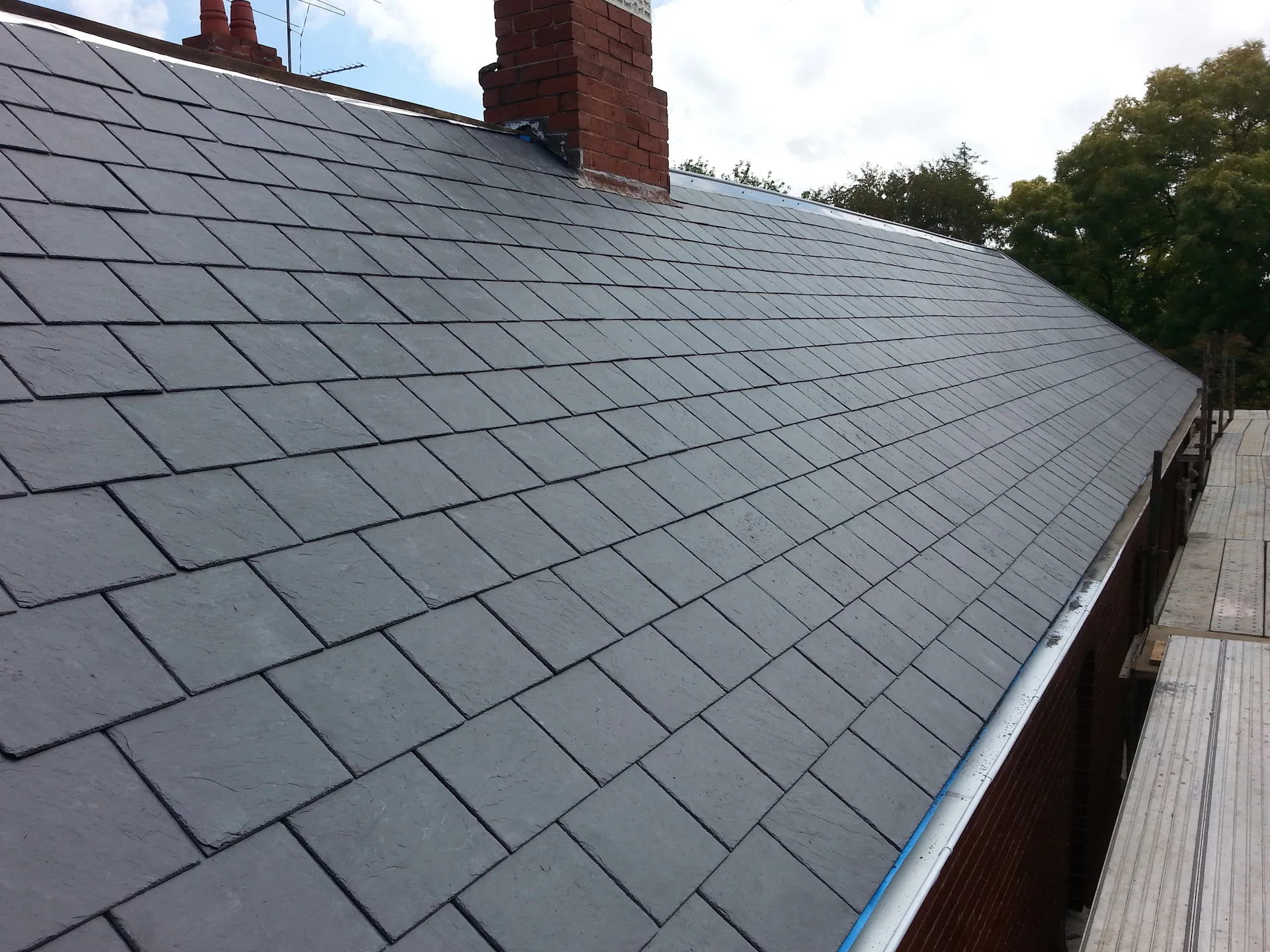
Natural and fibre-cement slates differ in appearance, weight, sourcing and detailing. Fixing specification, batten gauge, exposure and the ability to match an existing roof should guide the choice.
What determines the price?
A responsible guide should not publish a single headline figure without inspecting the roof. Labour and material quantities are only part of the total. Access and the condition discovered beneath the covering can change the scope substantially.
- Roof size, pitch, height and safe access method
- Whether scaffolding, a tower or specialist access is required
- Extent of stripping, deck or timber repair
- Material specification and matching requirements
- Flashings, outlets, insulation and ventilation details
- Waste removal, parking, permits and protection of occupied areas
- VAT status, exclusions and contingency allowances
How to compare quotations
Ask each contractor to price the same scope. Check whether preparation, access, edge details, disposal and making good are included. A cheaper quotation may simply omit work that appears later as an extra.
Build a price from a defined scope
The useful question is not “What does a roof cost?” but “What complete work does this roof require?” Separate fixed items from provisional allowances. That makes it easier to understand how the price could change after coverings are opened.
- Measured work and material specification
- Fixed access and protection costs
- Provisional quantities for concealed repairs
- Optional upgrades shown separately
- Variation process agreed before additional work proceeds
What should be inspected?
- Slipped, cracked, delaminating or missing coverings
- Fixing fatigue and repeated movement across the slope
- Ridges, hips, valleys, verges and abutments
- Underlay, battens and visible timber condition
- Ventilation and insulation at eaves and high level
- Matching materials and any conservation constraints
Plan for conditions found in Bromley and nearby areas
Relevant exposure includes driving rain, wind around roof edges, leaf and urban debris in outlets, and temperature movement at metal or membrane details. Inspection and maintenance should respond to the actual property rather than generic weather claims.
- Windward details checked after storms
- Outlets monitored through wet periods
- Debris traps included in maintenance
- Movement allowed for at rigid junctions
Assume sheeted roofs and rooflights are fragile
Old sheets, corroded material and rooflights can fail without warning. Do not test them by standing on them. A competent contractor should identify fragile areas and plan platforms, protection and access that avoid loading them. The HSE roof-work guidance explains the main requirements and hazards.
Questions to ask in the quotation
- Is failure localised or widespread?
- Can replacement materials be matched?
- What underlay, batten and ventilation work is included?
- How will valleys, chimneys and abutments be treated?
Related local service
For property-specific advice, see Slate and tile roof repairs. The service page explains inspection, access and quotation arrangements.
Frequently asked questions
Can old slates, tiles or fittings be reused?
Sound material may sometimes be retained or reused, but condition, matching, breakage allowance and any planning constraints should be assessed before promising a quantity.
How soon should a small defect be inspected?
Prompt inspection is sensible when water is entering, materials are loose or the problem is changing. Safety risks, wet electrics and bulging ceilings need immediate precautions.
Can work continue in bad weather?
That depends on the task and safe system. High winds, lightning, ice or heavy rain can prevent access and may make opening the roof inappropriate.
Discuss your roof with a local roofer
For an inspection and written quotation in Bromley, call 020 3886 3911 or email yourbromleyroofers@gmail.com. Describe the property, the roof area and any visible leak or damage. Photographs taken safely from ground level or inside the loft can also help.