Bromley Roofing advice
The Timeless Appeal of Slate Roofs: A Complete Overview
The Timeless Appeal of Slate Roofs: A Complete Overview. Assess benefits and drawbacks against the actual roof rather than generic product claims.
A pitched roof is a system of covering, fixings, battens, underlay, flashings, ventilation and drainage. Replacing isolated slates or tiles can be sensible when those adjoining components remain serviceable. This guide explains the practical checks a Bromley property owner should make before requesting or approving work.
Quick answer
A pitched roof is a system of covering, fixings, battens, underlay, flashings, ventilation and drainage. Replacing isolated slates or tiles can be sensible when those adjoining components remain serviceable.
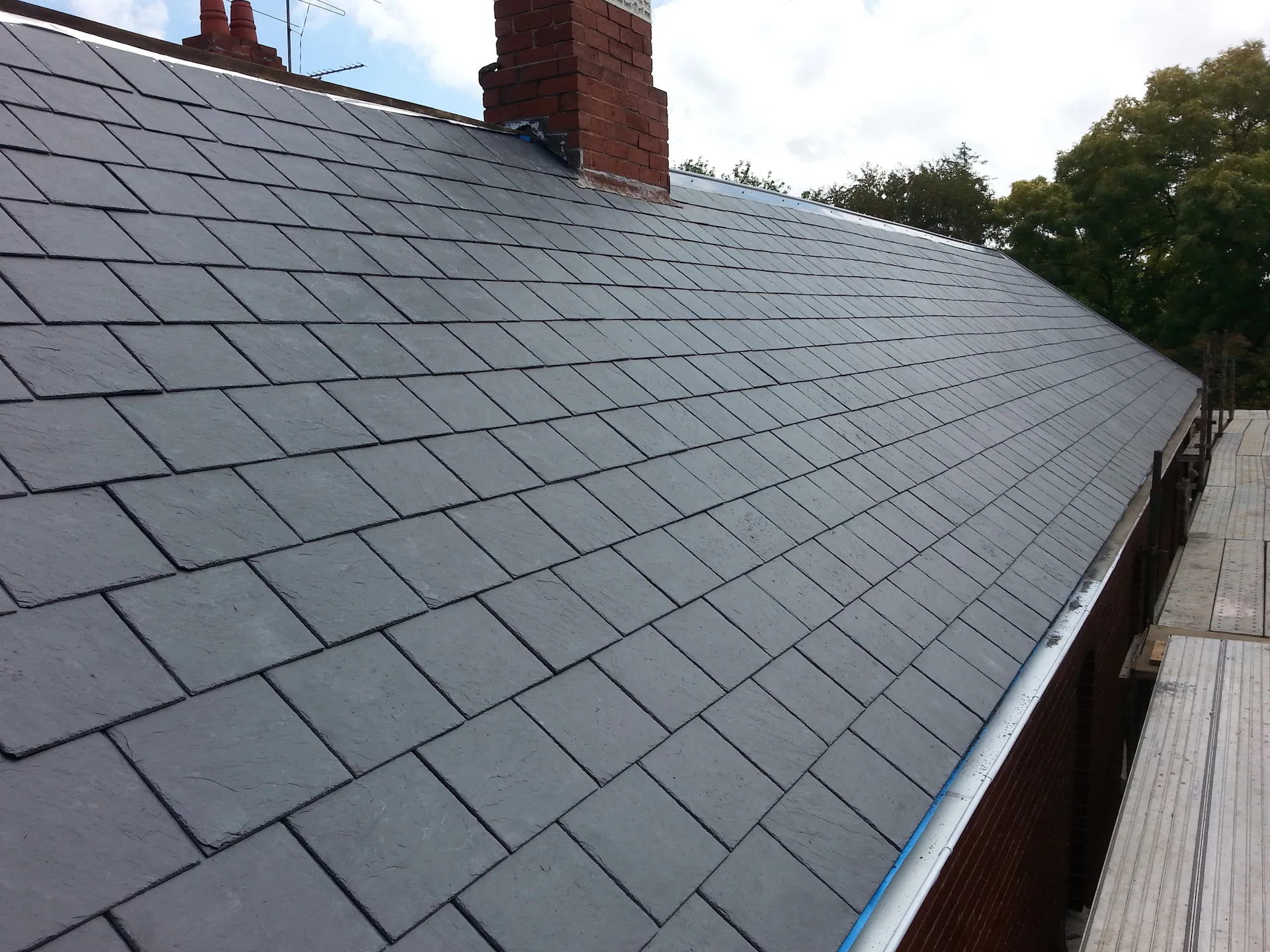
slate in this decision
Natural and fibre-cement slates differ in appearance, weight, sourcing and detailing. Fixing specification, batten gauge, exposure and the ability to match an existing roof should guide the choice.
Benefits only matter when the roof is suitable
Product advantages are conditional. A durable material can still fail early on an unsuitable pitch, moving deck, poorly drained area or weak junction. Ask the contractor to connect every claimed benefit to the property and specification.
- Suitability for pitch, structure and exposure
- Repairability and access for future maintenance
- Appearance beside neighbouring roofs and period details
- Whole-system cost rather than covering price alone
- Installer experience with the proposed system
- Written scope, manufacturer requirements and guarantee terms
Potential drawbacks to discuss
Weight, movement, vulnerable details, visual change, specialist installation, weather during application and future access can all affect the decision. A balanced quotation should explain these limitations rather than presenting one material as universally best.
Turn a claimed benefit into something testable
For slate and tiled pitched roofing, “durable”, “low maintenance” or “attractive” only becomes useful when the specification explains the roof pitch, support, junctions and future care. Ask what condition has to be true for each benefit and what would undermine it.
- Durability linked to a complete installed system
- Appearance checked against the property and adjoining roofs
- Maintenance access included in the design
- Repair method available if local damage occurs
- Limitations stated alongside advantages
What should be inspected?
- Slipped, cracked, delaminating or missing coverings
- Fixing fatigue and repeated movement across the slope
- Ridges, hips, valleys, verges and abutments
- Underlay, battens and visible timber condition
- Ventilation and insulation at eaves and high level
- Matching materials and any conservation constraints
Junctions often matter more than the main roof area
London properties frequently combine an older pitched roof with later extensions, dormers or small flat areas. Water entry often occurs where systems meet, so the inspection should follow abutments, parapets, valleys and changes in level.
- Main covering and additions inspected together
- Parapets and shared junctions traced
- Drainage from upper roofs checked
- Earlier repairs identified where visible
Protect people and property below
Roof safety includes falling materials as well as falls from height. Agree exclusion areas, scaffold protection, secured materials and how entrances or neighbouring spaces will be managed while work is overhead. The HSE roof-work guidance explains the main requirements and hazards.
Questions to ask in the quotation
- Is failure localised or widespread?
- Can replacement materials be matched?
- What underlay, batten and ventilation work is included?
- How will valleys, chimneys and abutments be treated?
Related local service
For property-specific advice, see Slate and tile roof repairs. The service page explains inspection, access and quotation arrangements.
Frequently asked questions
Should the quote include waste and protection?
Yes. Ask it to identify access, protection, preparation, disposal, materials, exclusions and work that can only be confirmed after opening the roof.
How are unexpected defects handled?
The quotation should identify likely concealed risks and a variation process. Ask for photographs and approval before additional work is covered or charged.
When is a local repair sensible?
A repair is easier to justify when the defect is isolated and surrounding material is sound. Repeated failure, widespread deterioration or damaged support layers can change that decision.
Discuss your roof with a local roofer
For an inspection and written quotation in Bromley, call 020 3886 3911 or email yourbromleyroofers@gmail.com. Describe the property, the roof area and any visible leak or damage. Photographs taken safely from ground level or inside the loft can also help.