Bromley Roofing advice
Signs Your Chimney Flashing Is Leaking (And How to Fix It)
Signs Your Chimney Flashing Is Leaking (And How to Fix It). Understand likely causes, inspection priorities and when repair or replacement may be appropriate.
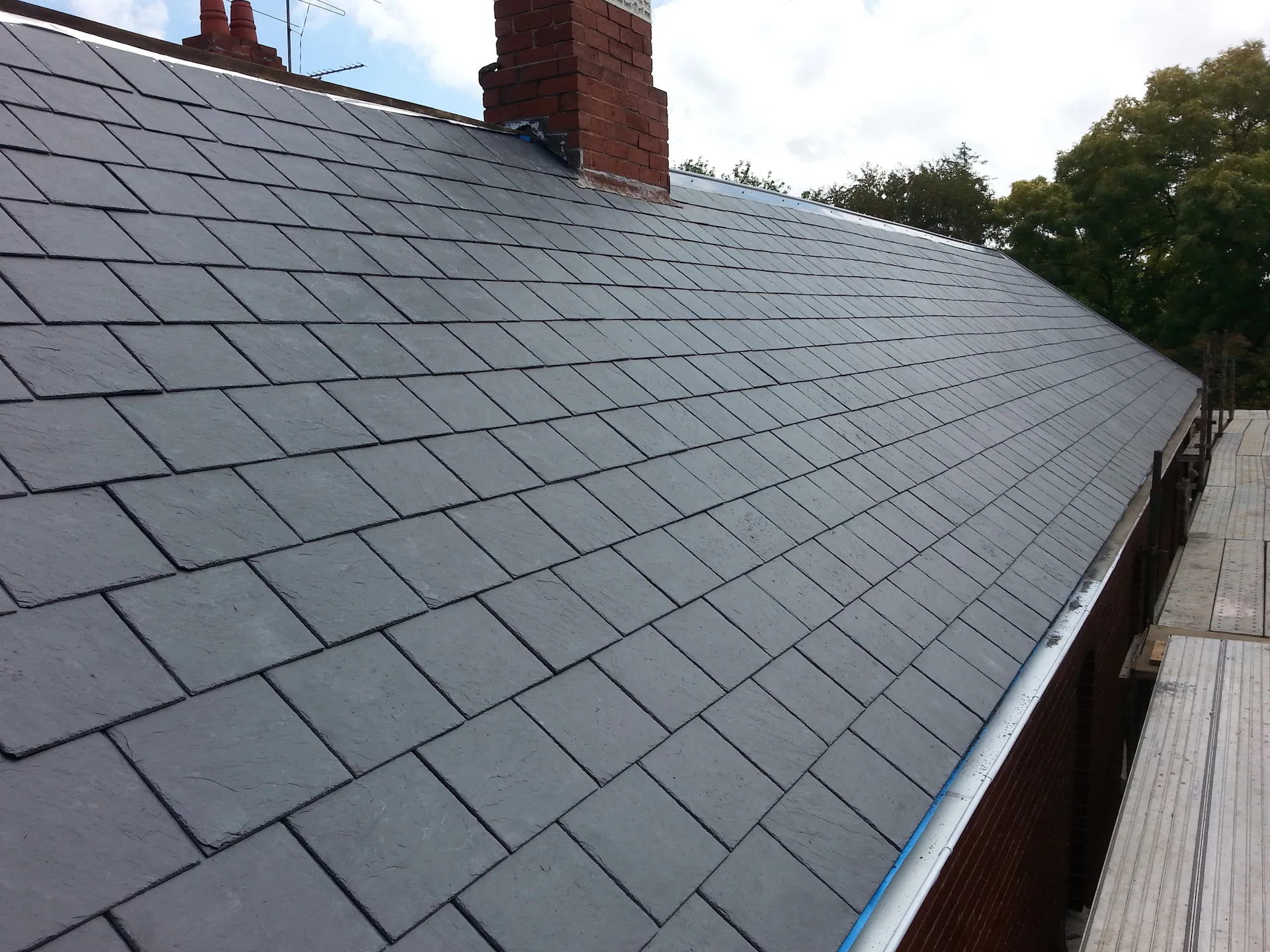
Chimney leaks can come from failed leadwork, open mortar joints, cracked flaunching, damaged pots or defects where the stack meets the roof. Diagnosis should separate the source of water from unrelated internal damp. This guide explains the practical checks a Bromley property owner should make before requesting or approving work.
Quick answer
Chimney leaks can come from failed leadwork, open mortar joints, cracked flaunching, damaged pots or defects where the stack meets the roof. Diagnosis should separate the source of water from unrelated internal damp.
lead in this decision
Lead is durable when correctly detailed for movement, laps and drainage. Long unsupported lengths, poor chases and incompatible adjoining work can shorten its service life.
From symptom to repair scope
Start with when the problem occurs: during wind-driven rain, after prolonged rainfall, at an outlet overflow or in cold weather. That pattern helps identify whether the cause is a covering defect, junction, drainage problem or condensation.
- Record the affected room and weather conditions
- Photograph safe internal evidence and any ground-visible defect
- Inspect the complete detail around the likely source
- Agree whether opening-up is necessary and how uncertainty is handled
- Specify the permanent repair and any temporary weatherproofing separately
Repair or replace?
Local repair is usually worth considering when the surrounding material and support remain sound. Replacement becomes more credible when defects are widespread, the deck or structure is affected, matching repairs keep failing or access costs make repeated visits uneconomic.
Separate an observation from a diagnosis
A ceiling mark, displaced tile or cracked surface is evidence, but not always the complete cause. Note when it changes, which weather direction triggers it and whether an outlet or roof junction sits above. Those details help the inspection test a likely water route.
- Monitor change rather than repeatedly painting over it
- Photograph from the same safe position for comparison
- Check accessible loft areas without touching electrics or fragile materials
- Treat loose masonry and bulging ceilings as safety issues
- Ask the roofer to explain the link between symptom and proposed work
What should be inspected?
- Open or washed-out pointing joints
- Cracked flaunching around chimney pots
- Loose pots, cowls or masonry
- Split, lifted or poorly detailed lead flashing
- Damp paths around the stack and adjoining roof covering
- Whether rebuilding, repointing, capping or local repair is actually required
Check property controls before visible changes
Conservation status, listing, leases, freeholder requirements or shared ownership can affect who approves work and which visible materials are acceptable. These questions are separate from deciding whether the roof is technically defective.
- Planning status checked where relevant
- Lease or freeholder consent considered
- Matching visible material discussed
- Written approvals retained with the roof records
Ask how the work will be carried out safely
Homeowners do not need to design the contractor’s method, but they can ask what access is assumed, how edges and fragile areas are controlled and who supervises the work. Vague assurances are not a substitute for competent planning. The HSE roof-work guidance explains the main requirements and hazards.
Questions to ask in the quotation
- Is the defect in the masonry, leadwork or surrounding roof?
- Will compatible mortar and matching materials be used?
- How will the stack be accessed safely?
- Are pots, flues and ventilation affected by the proposed work?
Related local service
For property-specific advice, see Chimney repairs in Bromley. The service page explains inspection, access and quotation arrangements.
Frequently asked questions
How should guarantees be compared?
Compare the exact work covered, duration, exclusions, maintenance duties and who stands behind the guarantee. A guarantee cannot compensate for an unsuitable specification.
Should I obtain more than one quotation?
For substantial work, comparable written quotations can help. Make sure contractors price the same scope rather than comparing totals with different omissions.
Should the quote include waste and protection?
Yes. Ask it to identify access, protection, preparation, disposal, materials, exclusions and work that can only be confirmed after opening the roof.
Discuss your roof with a local roofer
For an inspection and written quotation in Bromley, call 020 3886 3911 or email yourbromleyroofers@gmail.com. Describe the property, the roof area and any visible leak or damage. Photographs taken safely from ground level or inside the loft can also help.