Bromley Roofing advice
Chimney Repair and Maintenance: Protecting Your Home from the Top Down
Chimney Repair and Maintenance: Protecting Your Home from the Top Down. Learn what to monitor, what affects service life and when professional inspection…
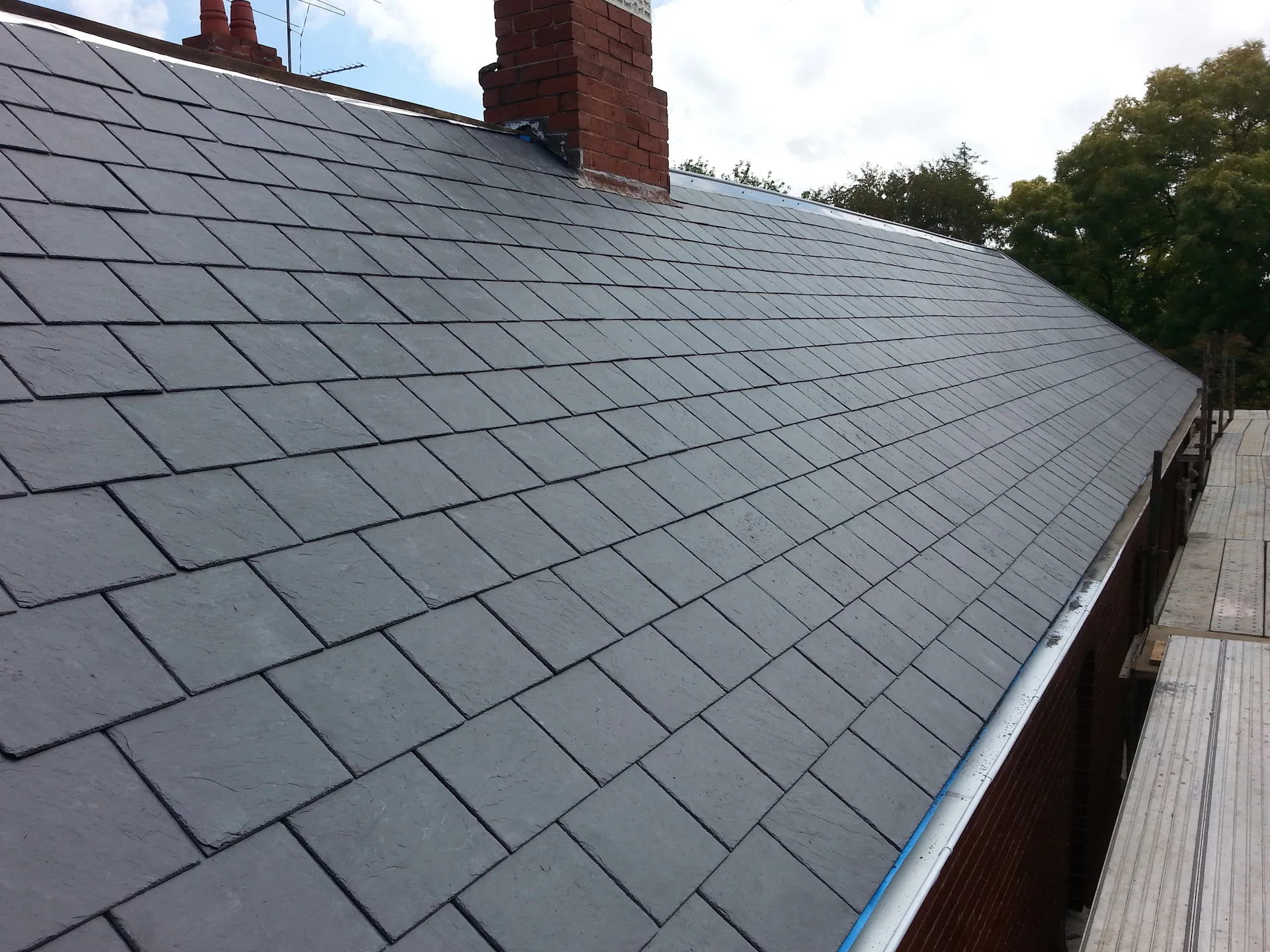
Chimney leaks can come from failed leadwork, open mortar joints, cracked flaunching, damaged pots or defects where the stack meets the roof. Diagnosis should separate the source of water from unrelated internal damp. This guide explains the practical checks a Bromley property owner should make before requesting or approving work.
Quick answer
Chimney leaks can come from failed leadwork, open mortar joints, cracked flaunching, damaged pots or defects where the stack meets the roof. Diagnosis should separate the source of water from unrelated internal damp.
Maintaining chimney repair and maintenance
Use ground-level and internal checks, especially after severe weather or when the building has been unattended. Do not walk on the roof. Record changes over time so a roofer can distinguish a new defect from an old stain.
- Keep outlets and visible rainwater routes clear where this can be done safely
- Look for new staining, movement, cracks or displaced components
- Avoid pressure washing, uncontrolled scraping and coatings that could damage the system
- Arrange professional access when a close inspection is required
- Address small drainage and junction defects before prolonged water exposure affects the structure
Expected life is not an expiry date
Published lifespan figures are broad estimates, not guarantees. Installation quality, exposure, detailing, maintenance, movement and previous repairs can make two roofs of the same material perform very differently.
Use a condition-led maintenance record
For chimney repair and maintenance, a short dated record is more useful than an arbitrary checklist. Photograph safely visible details, note blocked drainage or movement and record professional repairs. The next inspection can then focus on change instead of treating every old mark as active.
- Date, weather and location of each observation
- Ground-level and internal photographs only
- Drainage clearance and repair invoices retained
- Manufacturer care information kept with property records
- Prompt review after severe weather or a new leak
What should be inspected?
- Open or washed-out pointing joints
- Cracked flaunching around chimney pots
- Loose pots, cowls or masonry
- Split, lifted or poorly detailed lead flashing
- Damp paths around the stack and adjoining roof covering
- Whether rebuilding, repointing, capping or local repair is actually required
Plan for conditions found in Bromley and nearby areas
Relevant exposure includes driving rain, wind around roof edges, leaf and urban debris in outlets, and temperature movement at metal or membrane details. Inspection and maintenance should respond to the actual property rather than generic weather claims.
- Windward details checked after storms
- Outlets monitored through wet periods
- Debris traps included in maintenance
- Movement allowed for at rigid junctions
Weather can stop otherwise simple work
Wind, lightning, ice and heavy rain can make access or uncovered roofs unsafe. A realistic contractor will postpone work or use temporary measures when conditions do not support the agreed safe system. The HSE roof-work guidance explains the main requirements and hazards.
Questions to ask in the quotation
- Is the defect in the masonry, leadwork or surrounding roof?
- Will compatible mortar and matching materials be used?
- How will the stack be accessed safely?
- Are pots, flues and ventilation affected by the proposed work?
Related local service
For property-specific advice, see Chimney repairs in Bromley. The service page explains inspection, access and quotation arrangements.
Frequently asked questions
How are unexpected defects handled?
The quotation should identify likely concealed risks and a variation process. Ask for photographs and approval before additional work is covered or charged.
When is a local repair sensible?
A repair is easier to justify when the defect is isolated and surrounding material is sound. Repeated failure, widespread deterioration or damaged support layers can change that decision.
Can old slates, tiles or fittings be reused?
Sound material may sometimes be retained or reused, but condition, matching, breakage allowance and any planning constraints should be assessed before promising a quantity.
Discuss your roof with a local roofer
For an inspection and written quotation in Bromley, call 020 3886 3911 or email yourbromleyroofers@gmail.com. Describe the property, the roof area and any visible leak or damage. Photographs taken safely from ground level or inside the loft can also help.